Showing posts with label Attention. Show all posts

Wednesday, February 20, 2019

Craft better CTAs. Get better conversions.

Do I have your attention?

If I do, it won’t be for long: According to Statisticbrain.com, the average person's attention span is eight seconds and most of us read only 28 percent of the words on a webpage. As marketers, that makes it challenging to engage and convert readers.

This is where strong calls to action (CTAs) come in: These buttons or links—on websites, landing pages, emails—are compelling, persuasive statements that move your visitors to act, guiding them through the sales funnel: Maybe you want them to watch a video, schedule a demo, sign up for a subscription, or learn more about your product/service. The right CTA can help you make those connections.

Here are a few tips to make sure your CTAs are fine-tuned to help you net the desired action-activated response:
  1. Be direct. Simple and effective is what you’re looking to accomplish, so craft your message using words that make it clear what you want the reader to do and/or why it’s of value. (Five words or less is ideal)
  2. Use multiple CTAs strategically placed throughout your site or landing page to attract and convert visitors at all stages of the buyer journey.
  3. Make it relevant. Your CTA should be specific to the content on the page—don’t use the same CTA throughout your website.
  4. Optimize for mobile. Remember that many of your readers will be accessing your website or email via their mobile devices, so not only do CTAs need to be brief, they also need to be formatted to make a visual impact on a mobile screen.   
  5. Keep it simple. By keeping graphics clean and uncluttered, your visitors will find your message easier. (Don’t make them search for it!) Hubspot offers a great example of a sleek, well-designed webpage with a CTA that stands out clearly:
  6. Offer a time-sensitive special. Most of us don’t want to miss out on a good deal or deep discount. So, instead of directing your readers to check out your new product, consider adding a “deal of the day” pop-up CTA that prompts the reader to check out your special offer before it goes away.
  7. Provide options. One way to get visitors to spend more time on your site is to offer multiple CTAs that lead them down different paths. Here is a great example from Humboldt County (source: Hubspot).
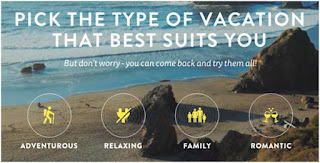
  8. Test your CTA. A small change in your CTA can make a big difference. You might not expect higher click-through rates as a result of moving your call to action above the fold, or changing the color, or swapping the word “my” for “your” but those subtle changes can greatly affect your conversion rates. Test and then redeploy to keep your content fresh and effective.
I’m always on the lookout for examples of CTAs that work for me. Can you think of any that have caught your attention or compelled you to act? Share your thoughts with us on Facebook.

Ellen Moriarty

Wednesday, January 30, 2019

Choose your words wisely for stronger brand connections.

Have you ever watched or read an ad only to immediately forget the advertised product or brand? I know I have.

As marketers, we’re tasked with making memorable brand connections. So, how do we improve our chances of creating content that sticks? In part, it requires using the right words.

         Click here to access a list of the 15 most powerful words in marketing and SEO.

There are also guidelines that can help frame marketing word choices. Below is information summarized from a SalesForce article that details the types of words you can use to drive your brand’s message home and evoke desired emotions from your audience:

Words That Resonate with Consumers. Put things in terms of “you” instead of “I” or “we.” In other words, speak directly to your customers about what they can gain (Value) from doing business with you, rather than explaining what your business does.

Words That Grab Readers’ Attention. Words like “free” and “discount” naturally resonate with customers because they automatically make a purchase look more attractive.
https://drive.google.com/file/d/15hkSnwaxHgsOCneGB4sUH45iWxwXoMxA/view?usp=sharing
Words That Create a Sense of Fear or Urgency. Some words may convey your message to customers, but don’t really do much to convince them to act. That’s where phrases like “limited time” or “don’t miss out” or “now” come in, tapping into the fear of missing out.

Example: Spotify offers weekly playlists for its active listeners based on their specific tastes and listening habits. The company could create one personalized playlist and update it every so often. But instead, each playlist is only accessible for one week. Then it’s gone. Spotify encourages users to access their weekly playlists based on that fear that they’ll miss out on something great if they don’t.

Words That Promote Exclusivity. If you’re offering a deal specifically to your best customers or to a select number of people, you can use words like “exclusive,” “select,” and “limited” to make an opportunity seem more special. When customers feel like they are valued enough to be granted special access to products and services, they may be more likely to purchase.

American Express is an example of one company that successfully uses this tactic. “Membership has its privileges” and “Are you a Card Member?” are some of its popular taglines. These words create a sense of exclusivity that makes people want to join.

Words That Position Your Brand. Carefully select words that make your brand stand out, either against the competition or to a specific type of consumer (proven, dependable. Depending on the way you’d like to appeal to customers, you can use creative wording to position your brand.

Example: Coca-Cola used to call itself the “Official Soft Drink of Summer.” Is there an official governing body that decides which soda gets to represent summer? No. But by using these words, Coca-Cola paints itself as the only real choice for families who want to enjoy some fun in the sun.

Are there other word rules you’d add to the list? Join the conversation on Shamrock’s Facebook page.

Ellen Moriarty