Showing posts with label brands. Show all posts

Wednesday, July 24, 2019

Successful Marketing on Pinterest: Lessons from 5 Leading Brands

With more than 291 million active monthly users, Pinterest has become the go-to resource for everything from recipes, to makeup tutorials, to vacation destinations. Pinterest positions itself as the world’s catalog of ideas—but it’s also a prime channel for brand marketing: In a recent survey, 96% of pinners said they use Pinterest to research purchases—and 87% have purchased a product because of a pin.

If you’re marketing to women, then make sure Pinterest is part of your strategy: As of 2019, 79.5% of Pinterest users are female (Statista), which is significant: Women ages 25 to 54 make 80% of the buying decisions in U.S. households—and Pinterest is a valuable part of their purchasing journey.
  • 83% of women on Pinterest use it to plan life moments, compared to 44% for Instagram and 53% for Facebook
  • 43% plan on getting their ideal home within the next five years
  • 50% plan on taking a vacation in the next 6 months
So, what does it take to be a standout on Pinterest among the more than 75 billion pins? Following are five lessons from top brands that are killing it on the social media channel, building brand loyalty one pin at a time.

1. Offer variety. Don’t pigeon-hole your brand. With 4.5 million followers, upscale fashion retailer Nordstrom is one of Pinterest’s most recognizable brands. They’ve created a devoted following by casting a wide net—men’s fashion, prom, handbags, denim, baby. With 443,000+ pins on 78 boards, you’re sure to find something that speaks to you at Nordstrom.

2. Find a common thread. Specialty retailer L.L. Bean is a great example of how to make a brand connection by appealing to your audience and their interests. With 5 million followers, they’re doing it right: Boards like Outdoor Fun and Take Me Fishing draw pinners to the brand based on lifestyle, activities, pursuits, etc.

3. Provide value. Give them more, and they’ll keep coming back: Home improvement retailer Lowes goes above and beyond basic product info—they also provide step-by-step tutorials to show pinners how to use those products to complete DIY-projects.

4. Make it user-friendly. How many times have you searched for an item online but then struggled to find a retailer to make the purchase? Global marketplace Etsy simplifies the process, allowing you to search, pin and purchase products directly from your digital device.

5. Keep it subtle. Instead of leading with a product pitch, why not welcome your audience in like a good friend? Lauren Conrad does just that—her Pinterest page feels like that of any user, rather than that of a brand. With 1 million+ followers, she shares inspiration and introduces new ideas and products with fellow pinners without making a hard sell.

Which brands are most prominent on your Pinterest feed? I’d be interested in your feedback. emoriarty@shamrockcompanies.net.

Ellen Moriarty

Wednesday, May 1, 2019

10 Tips for Building Brand Loyalty

Does your brand have a dedicated following? Whether you sell pizzas or insurance policies, brand loyalty matters; it’s good for business. Attracting and maintaining customers long term ultimately leads to increased profits: According to Adobe, repeat customers buy nearly 30% more items per order than first-time shoppers and are nine times more likely to convert than first-time shoppers.

So, how do you drive brand love when immediate access to your competitors is just a click away? Here’s a few ideas for attracting and keeping customers:

1. Establish your brand identity. Know who you are—and then stick with it, using consistent messaging from the top of the sales funnel to the bottom, as well as across channels.

2. Make it personal. Develop messages that are tailored specifically to your target audience: That personal connection makes your customers feel like you are speaking directly to them, not to the masses.

According to an Infosys study, 86% of consumers surveyed said personalization plays a role in their purchasing decisions—and 73% said they preferred to do business with brands that use personal information to make their shopping experience more relevant.

3. Listen to your customers. Find out what they want or need—and then dig deeper: Why? How? Answering these important questions can help you better align your products/services/delivery methods to better meet customer needs and expectations. What’s more, we all like to be heard. Asking for feedback sends a clear message to your customers that their opinions matter.

4. Provide Raving Fan customer service. There’s a lot of competition out there touting better, faster, less expensive products/services, so exceed their expectations with standout customer service. Do the unexpected things that let your customers know you care: Make a follow-up phone call, send a personal email, share an article or video that aligns with their industry or interest, or surprise them with breakfast for their next staff meeting.

5. Prompt ongoing brand experiences. Keep your brand front of mind by making connections with your customers at various times during a transaction or program experience using blogs, emails, social media prompts, and more. In this age of immediate access, out of sight means out of mind, so keep your brand relevant with frequent, strategic touches.

6. Create Community. Engage with your customers and ask them to share photos of themselves at your event or using your products on social media—facebook, Instagram, twitter, Pinterest. Shared posts on these channels will start a conversation about your brand, and will also foster an emotional connection—think happy, exciting, motivating, inspirational, etc.

7. Innovate. Quality counts, as does innovative product/service offerings. By continuing to improve, evolve and introduce new products or solutions, your customers will associate your brand with what’s next.

8. Create a consistent experience. Give your customers the quality and the experience they have come to expect from your brand, every time. Example: I know I’m going to get the same bold cup of coffee from a new Starbucks location as I do when I visit my regular store—that consistency is expected.

9. Be transparent and honest. If there is a customer service issue, a product problem or a mistake, own it. Your customers will appreciate hearing directly from you, rather than through another source.

10. Recognize loyal customers. Whether you offer points for transactions, reward service anniversaries, or simply connect with customers who have been with you for a while, it’s important to show existing customers that you appreciate their business. And, a customer loyalty effort is less expensive than spending marketing dollars on new-customer development.

Do you have any tips that you’d add to this list for boosting brand loyalty? Please share your thoughts on our Facebook page.

All the best,
Tim Connor


Wednesday, April 24, 2019

Use Eco-friendly Promos to Build Your Brand

We live in an environmentally- and socially-conscious age where consumer shopping decisions are now closely linked to corporate values. Recent studies show that more consumers—particularly Millennials—are gravitating towards brands that demonstrate good will: 
  • 88% of consumers said they would be more loyal to companies that support social or environmental issues, and 90% would switch to a brand associated with a good cause, if price and quality were similar. (Cone Communications and Ebiquity)
  • Three out of four consumers are more likely to buy a product if the company is making an effort to be sustainable. (Sense and Sustainability Study, Gibbs & Soell)
The takeaway: Going green is good for business. Nearly 65% of end-buyers surveyed by ASI say they prefer to purchase promos that are eco-friendly. So, if you’re not already incorporating environmentally-responsible and ethically-sourced promotional products into your brand marketing, consider making the change. 

While price had historically been an issue with eco products, that’s no longer the norm. And with the obvious branding advantages associated with a greener promotional product offering, it’s wise to promote your brand using eco-products that make sense for your business or industry. Here are a few ideas:

Reusable drinkware. Whether it’s a glass mug etched with a logo or insulated aluminum drink bottle, these choices eliminate Styrofoam, plastic or paper drinkware, making them a more eco-responsible choice for the office, commute or home.

Cork and wood products are trending. Reusable tote bags made from cork are extremely durable and stylish; and wood lids, handles (on mugs) or cutting boards and coasters can be laser-engraved with a logo (no inks) for a clean, organic feel.

Reusable straws and silverware. Disposable plastic is out. Reusable straws and cutlery—in bamboo, rubber and metal—are in. The wood and metal pieces can be laser-engraved for a subtle brand touch with everyday functionality.

Hemp or other sturdy reusable bags. Hemp items are popular in the cannabis industry; and because they’re so durable, they’re a great choice if you’re thinking about a sustainable bag promo. Instead of a cheap, flimsy poly bag (that will quickly get tossed) consider a hemp, bamboo or washable cotton bag embroidered with a logo for longer shelf life.

If you’re interested in learning more about these products or other environmentally-responsible promo items, connect with me on Linkedin.

Tim Berry

Wednesday, February 6, 2019

Use Customer Personas for Better Marketing Outcomes

Microsoft reports the average person’s attention span is just eight seconds. That’s not surprising given the amount of content we consume every day: According to the American Marketing Association, we are exposed to up to 10,000 brand messages a day. So, as a marketer, how do you make sure your customers don’t simply scroll right by your content?

Make it personal.

By connecting with your audience in more personal and relatable ways, you make stronger and more memorable brand connections. So, it follows that the best way to make such connections is to first get to know your audience or your customers—and then create campaigns that speak directly to them. This is where personas come into play.

Hubspot describes them well: "Buyer personas are fictional, generalized representations of your ideal customers. Personas help us all -- in marketing, sales, product, and services -- internalize the ideal customer we're trying to attract and relate to our customers as real humans. Having a deep understanding of your buyer persona(s) is critical to driving content creation, product development, sales follow up, and really anything that relates to customer acquisition and retention.”

https://drive.google.com/file/d/1onXUgvpExoRQqF6v0kPTn9ihogQeU5UG/view?usp=sharingTo develop accurate customer personas, research is essential—you have to dig down beneath the surface to gather the personal data about your customer that paints a crystal-clear picture about who they really are:
  • What is their age and gender?
  • Which social media platforms do they use: Are they Facebook devotees or all Snapchat?
  • What TV shows do they watch: 60 Minutes? Game of Thrones?
  • What are their values: Are they intent on making a difference through social change? Strong supporters of U.S. veterans?
  • What are their digital habits: Primarily PC users? Do they shop using Alexa? 
Click here for a handy persona outline graphic.

The more questions we ask and the clearer “customer” picture we paint, allows us to be more effective in our marketing efforts. Next week, I’ll continue with this topic, offering some tips for where to go to get this valuable customer data and then, what to do with it.

Ellen Moriarty

Wednesday, December 5, 2018

Is Influencer Marketing Right For Your Brand?

In 2018, we’ve seen the continued rise of influencer marketing, with a nod toward more transparent partnerships between brands and their celebrities or ambassadors. And the latest data shows no signs of slowing, with more brands trusting influencers to help grow their audience and boost sales using social media channels—because it works:
  • Marketers received $7.65 in earned media value for every $1 spent on influencer marketing – Influencer Marketing Hub
  • Marketing induced consumer-to-consumer word-of-mouth generates twice the sales of paid advertising  – McKinsey
  • Customers acquired via word-of-mouth have a 37% higher retention rate – McKinsey.
  • 92% of consumers trust online word-of-mouth recommendations, while only 33% of them trust online banner ads – Nielsen
A recent MarketingProfs article about influencer marketing includes an insightful infographic (sourced by e-commerce platform X-Cart) that captures the power of Instagram (as the leading influencer platform) and explains how you can use influencer marketing to grow your brand reach:

Click here to view entire infographic

Do you plan to use influencer marketing in 2019? We’re interested in hearing for you.

Ellen Moriarty

Wednesday, November 7, 2018

Marketing Success On Pinterest: Lessons from 5 Leading Brands

With more than 150 million active users, Pinterest has become the go-to resource for everything from recipes and makeup tutorials, to furniture refinishing and tattoo designs. Pinterest positions itself as the world’s catalog of ideas—but it’s also a prime channel for brand marketing: In a recent survey, 93% of pinners said they use Pinterest to plan for purchases—and 87% have purchased a product because of a pin.

What does it take to be a standout on Pinterest among the more than 75 billion pins? Following are five lessons from top brands that are killing it on the social media channel, building brand loyalty one pin at a time.

1. Offer variety. Don’t pigeon-hole your brand. With 4.5 million followers, upscale fashion retailer Nordstrom is one of Pinterest’s most recognizable brands. They’ve created a devoted following by casting a wide net—men’s fashion, prom, handbags, denim, baby. With 443,000+ pins on 78 boards, you’re sure to find something that speaks to you at Nordstrom.

2. Find a common thread. Specialty retailer L.L. Bean is a great example of how to make a brand connection by appealing to your audience and their interests. With 5 million followers, they’re doing it right: Boards like Outdoor Fun and Take Me Fishing draw pinners to the brand based on lifestyle, activities, pursuits, etc.

3. Provide value. Give them more, and they’ll keep coming back: Home improvement retailer Lowes goes above and beyond basic product info—they also provide step-by-step tutorials to show pinners how to use those products to complete DIY-projects.

4. Make it user-friendly. How many times have you searched for an item online but then struggled to find a retailer to make the purchase? Global marketplace Etsy simplifies the process, allowing you to search, pin and purchase products directly from your digital device.

5. Keep it subtle. Instead of leading with a product pitch, why not welcome your audience in like a good friend? Lauren Conrad does just that—her Pinterest page feels like that of any user, rather than that of a brand. With 1 million+ followers, she shares inspiration and introduces new ideas and products with fellow pinners without making a hard sell.

Which brands are most prominent on your Pinterest feed? I’d be interested in your feedback. emoriarty@shamrockcompanies.net

Wednesday, August 8, 2018

Video Marketing: Tips for telling your best brand story

When it comes to quickly and effectively delivering a brand message, there is power in video marketing. According to data from Brightcove, social video generates 1,200% more shares than text and images combined; and video drives a whopping 157% increase in organic traffic from search engines.

Why is video important?

At Shamrock, we see video as an absolute essential for helping our clients tell their stories: Video provides instant brand gratification. And regardless of industry or budget, it’s a channel easily incorporated into your marketing program.

Above all, video is the trend in marketing: It is estimated that 80% of all internet traffic will be video by 2019. (Cisco)

How can you put video to work for your brand?

Creating original, compelling, relevant content that makes a brand connection with your audience—that’s the ultimate goal of video marketing. There’s a lot of great ideas for videos that meet that criteria: Roundup The Team—take a camera around the office and have people briefly speak about the latest product introduction or community service project; focus on Live Customer Service—create a montage that captures customer service and value in action; or develop an enticing How We Do It video that shows behind-the-scenes innovation. 

Click below to access social video marketing tips—this MarketingProfs infographic covers it all from video topics and recommended length, to the pros and cons of each channel: 

https://www.marketingprofs.com/chirp/2028/33411/social-video-marketing-tips-for-small-businesses-infographic
Click here to view
A recent study from Ascend2 concurs with MarketingProfs, citing the most effective video for converting sales leads include these topics:
  • customer testimonials
  • demo videos
  • explainer/tutorial videos
What’s great about these video themes is that the scripts practically write themselves: Capturing a testimonial or demonstrating a product or service are stories that authentically speak to your brand and its benefit to your customers. In other words: You know your brand best, so use that information to tell your story through video. Grab your device and get started.

All The Best,
Tim Connor

Wednesday, July 11, 2018

5 Corporate Apparel Trends to Follow

Know your audience. It’s the basic first-step when you’re approaching any marketing task—and making corporate apparel selections is no exception. Whether you’re buying branded items for your own team or purchasing apparel as gifts or giveaways for clients and vendors, start by first considering who you’re targeting.

Millennials have surpassed Gen Xers and Baby Boomers as the largest generation in the U.S. labor force—so, if you’re looking to reach these decision-makers and influencers with your apparel offerings, then speak their language. These top trends should help you make the right choices:

1. Athleisure
Blending activewear with comfortable, street-savvy style is on trend. Athleisure gives people the best of both worlds: casual, stylish apparel they can wear outside the office. This apparel choice offers comfort and adaptability—it can go from the gym to the office or lunch. Look for style as well as performance features such as moisture-wicking fabric, UV protection and/or antimicrobial properties that keep fabrics fresh. Consider subtle branding like tone-on-tone logo for a refined look.

2. Vintage
What’s old is new again: The broken-in, weathered look is in. Super soft-feel vintage t-shirts are very popular; they are as comfortable as they are stylish. Raglan baseball shirts and varsity-inspired jackets are also making a comeback. Check out this video that features one of our Shamrock vendors that offers beautiful quality and great designs in customized vintage apparel:

click here to view

3. Bright color
Bold, bright colors are making a statement. (Pantone named Ultra Violet as its 2018 Color of the Year.) But you don’t have to go with a neon shirt or pullover to be current. We’re seeing splashes of color used in accent stitching, in logo treatments, on reflective stripes and cording, and more.

4. Functionality
When it comes to branded corporate apparel millennials and Xers expect more out of their garments: They want style and quality, but also with extra performance and functionality such as comfort/stretch, lightweight/warmth or wind repellant/slim fit. 

5. Responsibility
The apparel you choose to represent your brand says a lot about your company and the values that are important to your organization. Choosing organic or recycled fabrics, eco-responsibly sourced materials and socially-conscious brands are all opportunities to make a brand statement in a subtle but powerful way.

Connect with me at tberry@shamrockcompanies.net if you’d like to learn more about brand-driven corporate apparel solutions.

Tim Berry

Wednesday, April 25, 2018

Hue Knew? Choose the Right Color for Brand Success

What’s your favorite color? I have two-Red and Orange. I’ve always gravitated toward red and orange because it’s vibrant, energetic and just fun. Our personal perceptions and experiences play a big part in the feelings that we have about specific colors. Yet, there is science behind color theory: Studies show that color can persuade and affect consumer behavior—something that marketers need to understand as we approach branding.

How do you choose the right colors that resonate with your audience? Which color is likely to convince a customer to buy your product? This is where we turn to the patterns that emerge in color perceptions:

In the study, Impact of Color in Marketing, researchers found that up to 90% of snap judgments made about products were based on color alone. In another study, The Interactive Effects of Colors, researchers found the relationship between brands and color hinges on “the perceived appropriateness of the color being used for the particular brand.” In other words, the color must "fit" the brand personality and product profile.

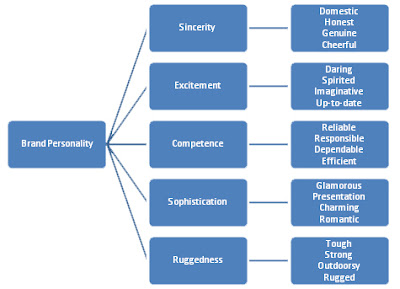
As you choose colors for your brand, it’s important to consider that brand personality association. Start by first identifying your brand personality. Below is the basic guideline for developing that profile:

 
The next step is to choose color(s) accordingly. While feelings associated with colors are open to personal interpretation, there is generally accepted color theory based on how the majority of people respond to specific colors. For example, red and yellow induce appetite; blue suppresses appetite; green signals serenity and natural, earth-friendly vibes, etc. The chart below captures that general color theory:

https://blogger.googleusercontent.com/img/b/R29vZ2xl/AVvXsEjNhhzNKztAVi8GQfvehWqPHr4_uSG9vsHuAIUMYinlmjwxtphs0nu7T3RGlX-enSzOzXenSGVM0E8qz-x3FvP2gCGp0SLawYUe_Wlroe6MS7CMrgjdnCe_1yAEnzDM2uM-e44w7BQpo-Q/s1600/color-and-emotions.png
Source: Contentmart

Does your brand fall in line with contemporary color theory? Which color best suits your product line?

Good luck!

Ellen Moriarty

Wednesday, April 4, 2018

Use Customer Personas for Better Marketing Outcomes

Microsoft reports the average person’s attention span is just eight seconds. That’s not surprising given the amount of content we consume every day: According to the American Marketing Association, we are exposed to up to 10,000 brand messages a day. So, as a marketer, how do you make sure your customers don’t simply scroll right by your content?

Make it personal.

By connecting with your audience in more personal and relatable ways, you make stronger and more memorable brand connections. So, it follows that the best way to make such connections is to first get to know your audience or your customers—and then create campaigns that speak directly to them. This is where personas come into play.

Hubspot describes them well: "Buyer personas are fictional, generalized representations of your ideal customers. Personas help us all -- in marketing, sales, product, and services -- internalize the ideal customer we're trying to attract and relate to our customers as real humans. Having a deep understanding of your buyer persona(s) is critical to driving content creation, product development, sales follow up, and really anything that relates to customer acquisition and retention.”

Source: Hubspot

To develop accurate customer personas, research is essential—you have to dig down beneath the surface to gather the personal data about your customer that paints a crystal-clear picture about who they really are:
  • What is their age and gender?
  • Which social media platforms do they use: Are they Facebook devotees or all Snapchat?
  • What TV shows do they watch: 60 Minutes? Game of Thrones?
  • What are their values: Are they intent on making a difference through social change? Strong supporters of U.S. veterans?
  • What is their digital capacity: Are they avid smartphone users or adverse to constant connectivity?

Click here to download Hubspot’s worksheet for creating customer personas.

The goal is to put yourself in your customer’s shoes to create a detailed and accurate profile. And then, to use that information to your brand advantage by aligning your marketing plan: Send brand messaging using social media channels where your customer persona spends his/her time; use messaging that speaks your customer persona’s language—and resonates with his/her value system; provide special offers that solve your customer persona’s problems, etc. 

The more questions we ask and the clearer “customer” picture we paint, allows us to be more effective in our marketing efforts. Are you currently using customer personas? I’m interested in your feedback.

Ellen Moriarty

Wednesday, September 20, 2017

10 Tips for Building Brand Loyalty

I’ve been with the same mobile provider for 20+ years; and I’ve used the same brand of soap for as long as I can remember. I guess it’s fair to say I’m a brand loyalist.

A recent article in Entrepreneur magazine addressed the issue of whether such brand loyalty is a dying trend. It cited statistics on both sides of the argument: According to a study from Retail Perceptions, millennials expect brands to earn their loyalty—and they rank product quality as more important than a brand name. Yet, a Facebook survey showed that 77% of consumers returned to the same brands over and over again.

Where do you fall between these two camps? How about your customers? Whether your business is selling pizzas or insurance policies, brand loyalty matters. We all want to attract and maintain our customers long term. Ultimately, that loyalty leads to increased profits. So, how do we drive that brand love when immediate access to competitor brand information is just a click away? Here’s a few ideas for attracting and keeping loyal customers:

1. Establish your brand identity. Know who you are—and then stick with it, using consistent messaging across all channels.

2. Make it personal. Develop messages that are tailored specifically to your target audience: That personal connection makes your customers feel like you are speaking directly to them, not to the masses.

According to an Infosys study, 86% of consumers surveyed said personalization plays a role in their purchasing decisions—and 73% said they preferred to do business with brands that use personal information to make their shopping experience more relevant.

3. Listen to your customers. Find out what they want or need—and then dig deeper: Why? How? Answering these important questions can help you better align your products/services/delivery methods to better meet customer needs and expectations. What’s more, we all like to be heard. Asking for feedback sends a clear message to your customers that their opinions matter.

4. Provide Raving Fan customer service. There’s a lot of competition out there touting better, faster, less expensive products/services, so exceed their expectations with standout customer service. Do the unexpected things that let your customers know you care: Make a follow-up phone call, send a personal email, share an article or video that aligns with their industry or interest, or surprise them with breakfast for their next staff meeting.

5. Prompt ongoing brand experiences. Keep your brand front of mind by making connections with your customers at various times during a transaction or program experience using blogs, emails, social media prompts, and more. In this age of immediate access, out of sight means out of mind, so keep your brand relevant with frequent, strategic touches.

6. Create Community. Engage with your customers and ask them to share photos of themselves at your event or using your products on social media—facebook, Instagram, twitter, Pinterest. Shared posts on these channels will start a conversation about your brand, and will also foster an emotional connection—think happy, exciting, motivating, inspirational, etc.

7. Innovate. Quality counts, as does innovative product/service offerings. By continuing to improve, evolve and introduce new products or solutions, your customers will associate your brand with what’s next.

8. Create a consistent experience. Give your customers the quality and the experience they have come to expect from your brand, every time. Example: I know I’m going to get the same bold cup of coffee from a new Starbucks location as I do when I visit my regular store—that consistency is expected.

9. Be transparent and honest. If there is a customer service issue, a product problem or a mistake, own it. Your customers will appreciate hearing directly from you, rather than through another source.

10. Recognize loyal customers.
Whether you offer points for transactions, reward service anniversaries, or simply connect with customers who have been with you for a while, it’s important to show existing customers that you appreciate their business. And, a customer loyalty effort is less expensive than spending marketing dollars on new-customer development.  

Do you have any tips that you’d add to this list for boosting brand loyalty? Please share your thoughts on our Facebook page

All the best,
Tim Connor

Wednesday, August 9, 2017

Getting It Right: Integrated Marketing 2017

In July 2015, we ran this blog about integrated marketing—and now, two years later, the argument for integrating multiple channels as part of a strategic marketing effort still rings strikingly true. As digital media channels continue to become more pervasive, we need to incorporate those touches along with off-line connections, to make solid, memorable brand connections. 
   
The debate has been raging since the rise of digital media: Which is more effective? Print or electronic? If you want people to understand and retain information, studies consistently show that it’s print. Yet on the other side of the aisle, some e-marketers argue that print is dead. The truth is, in this digital age, there’s room for both in your marketing tool chest.

It’s no different than 20 years ago when we began to use new print applications. Today, we have more channels available, both online and offline. The genius is being able to blend the best of both via an integrated marketing effort.

Print and electronic marketing are not mutually exclusive—each channel has its strengths and limitations. And using them together actually strengthens your brand. Having a consistent, impactful message woven together using different channels (social media, direct mail, promotional products, pay-per-click, etc.) you can ensure that your brand is represented consistently while leveraging the impact of the cross-channel reach.

Using a mix of online and offline channels also allows you to re-connect with your audience throughout a campaign to reinforce your brand message, drive relevancy and prompt action. You might tweet about a new promotion, send an email blast and follow up with a postcard. And because each of these channels can be used to connect with a specific audience segment your message can be tailored just for them. That’s the power of integrated marketing.

An article in Entrepreneur magazine touts the benefits of integrating print and digital touches in your marketing strategy. It notes that print communications can actually leverage your ecommerce site and even strengthen your social media presence. Print engages multiple generations of consumers; can be used to drive social media traffic (via printed calls-to-action on postcards or print ads, for example); and extends your brand reach by sharing your reviews and information offline.

There’s no time like the present to evaluate your marketing effort. Whether you’re operating as a brick-and-mortar business or an online service provider, balance is essential. Print has a tangible, enduring appeal that complements modern digital channels. Using both will get results.

As an instant update to this archived blog, check out the link below: This recent article from Small Business Trends offers 10 great examples of integrated marketing campaigns that work by combining content with PR, print with digital, etc. It’s worth your time to click through. 

https://smallbiztrends.com/2017/05/integrated-marketing-campaign-examples.html

Do you have any campaign examples you’d add to that list? I’d like to hear from you.

All the best,
Tim Connor
tconnor@shamrockcompanies.net

Wednesday, June 21, 2017

Marketing Success On Pinterest: Lessons from 5 Leading Brands

With more than 150 million active users, Pinterest has become the go-to resource for everything from recipes and makeup tutorials, to furniture refinishing and tattoo designs. Pinterest positions itself as the world’s catalog of ideas—but it’s also a prime channel for brand marketing: In a recent survey, 93% of pinners said they use Pinterest to plan for purchases—and 87% have purchased a product because of a pin.

What does it take to be a standout on Pinterest among the more than 75 billion pins? Following are five lessons from top brands that are killing it on the social media channel, building brand loyalty one pin at a time.

1. Offer variety. Don’t pigeon-hole your brand. With 4.5 million followers, upscale fashion retailer Nordstrom is one of Pinterest’s most recognizable brands. They’ve created a devoted following by casting a wide net—men’s fashion, prom, handbags, denim, baby. With 443,000+ pins on 78 boards, you’re sure to find something that speaks to you at Nordstrom.

2. Find a common thread. Specialty retailer L.L. Bean is a great example of how to make a brand connection by appealing to your audience and their interests. With 5 million followers, they’re doing it right: Boards like Outdoor Fun and Take Me Fishing draw pinners to the brand based on lifestyle, activities, pursuits, etc.

3. Provide value. Give them more, and they’ll keep coming back: Home improvement retailer Lowes goes above and beyond basic product info—they also provide step-by-step tutorials to show pinners how to use those products to complete DIY-projects.

4. Make it user-friendly. How many times have you searched for an item online but then struggled to find a retailer to make the purchase? Global marketplace Etsy simplifies the process, allowing you to search, pin and purchase products directly from your digital device.

5. Keep it subtle. Instead of leading with a product pitch, why not welcome your audience in like a good friend? Lauren Conrad does just that—her Pinterest page feels like that of any user, rather than that of a brand. With 1 million+ followers, she shares inspiration and introduces new ideas and products with fellow pinners without making a hard sell.

Which brands are most prominent on your Pinterest feed? I’d be interested in your feedback. emoriarty@shamrockcompanies.net